A simplified way to furnish

Interior Kit is a modern conceptual design company creating their own line of furnishings and leveraging technology to help consumers plan out their spaces before they buy.
The goal for Interior Kit was to create a mobile application that reflects the modern contemporary brand while increasing interactivity, time spent on the app building trust and overall sales. Doing so would also alleviate the need to move back and forth between an interior design application and an e-commerce website.
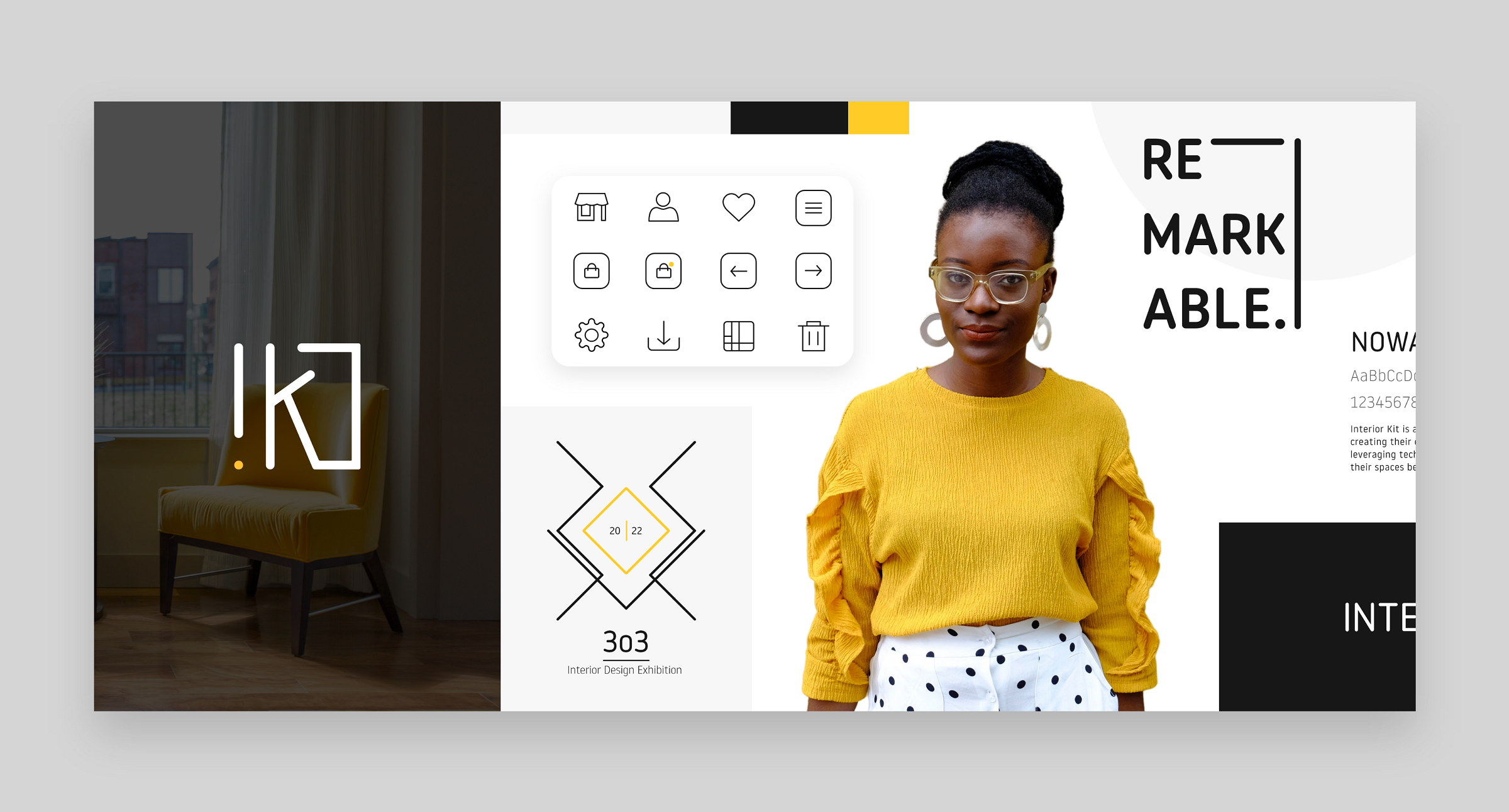
The main focus became designing something that instills enough confidence within the user to purchase products after designing an entire room or finding that missing puzzle piece to bring their space together. Part of doing this required seamless transitioning between the design and online store functionality so that the experience wasn't jarring. During the design phase for an AR feature, I went through tons of iterations to keep the UI from distracting users in their environment while providing necessary information for quick decision making.

Designing augmented reality features within the app lends itself greatly to reducing higher product return rates. When customers get to view a product in their own space such as furniture, it increases the chances they will make a decision that doesn't end with regret and helps to alleviate logistical processes for return warehouses.


.jpg)
Dahlia
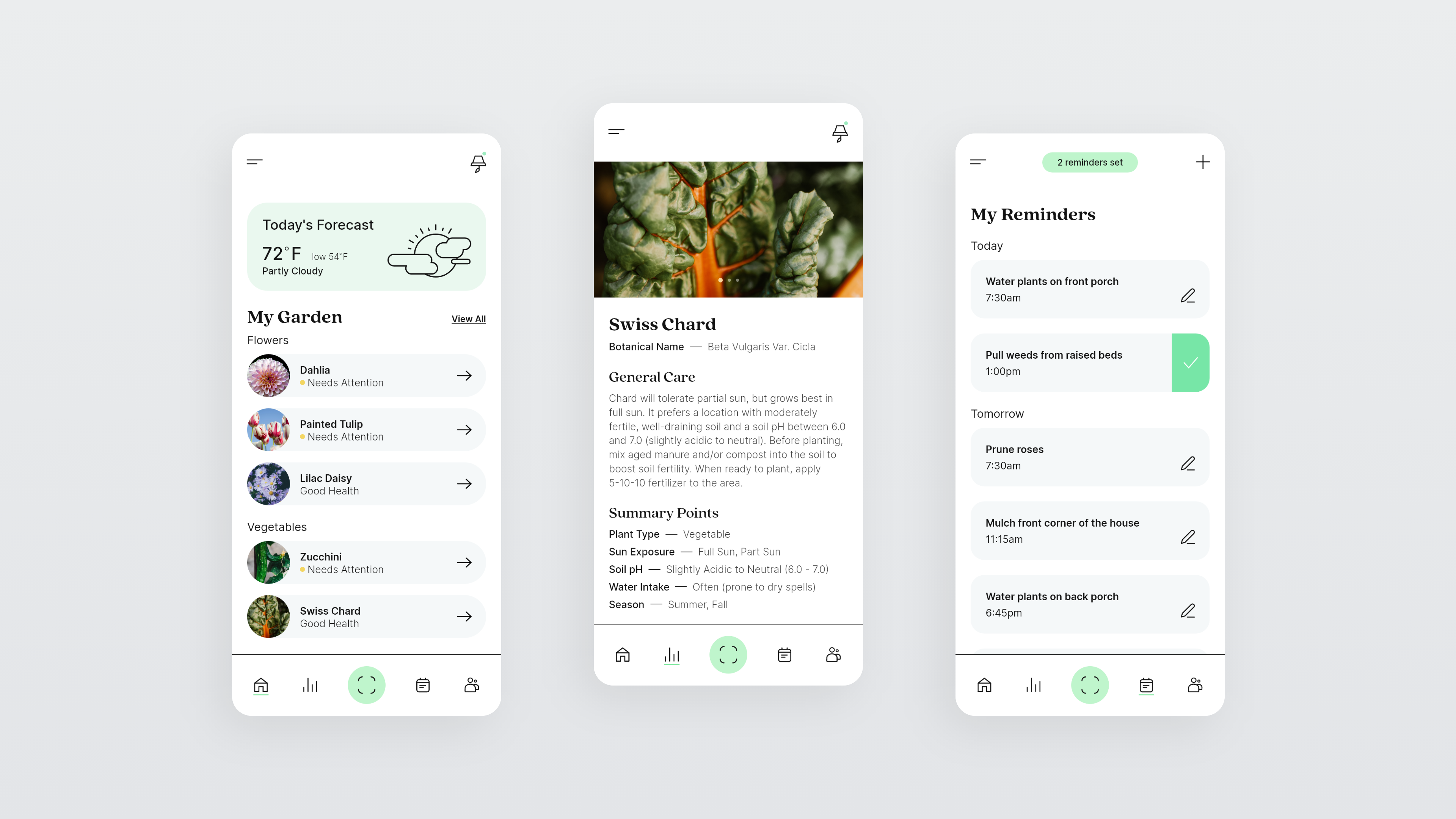
Dahlia is a garden management application that helps people with their efficiency and understanding when it comes to taking care of plants.
Visual Identities
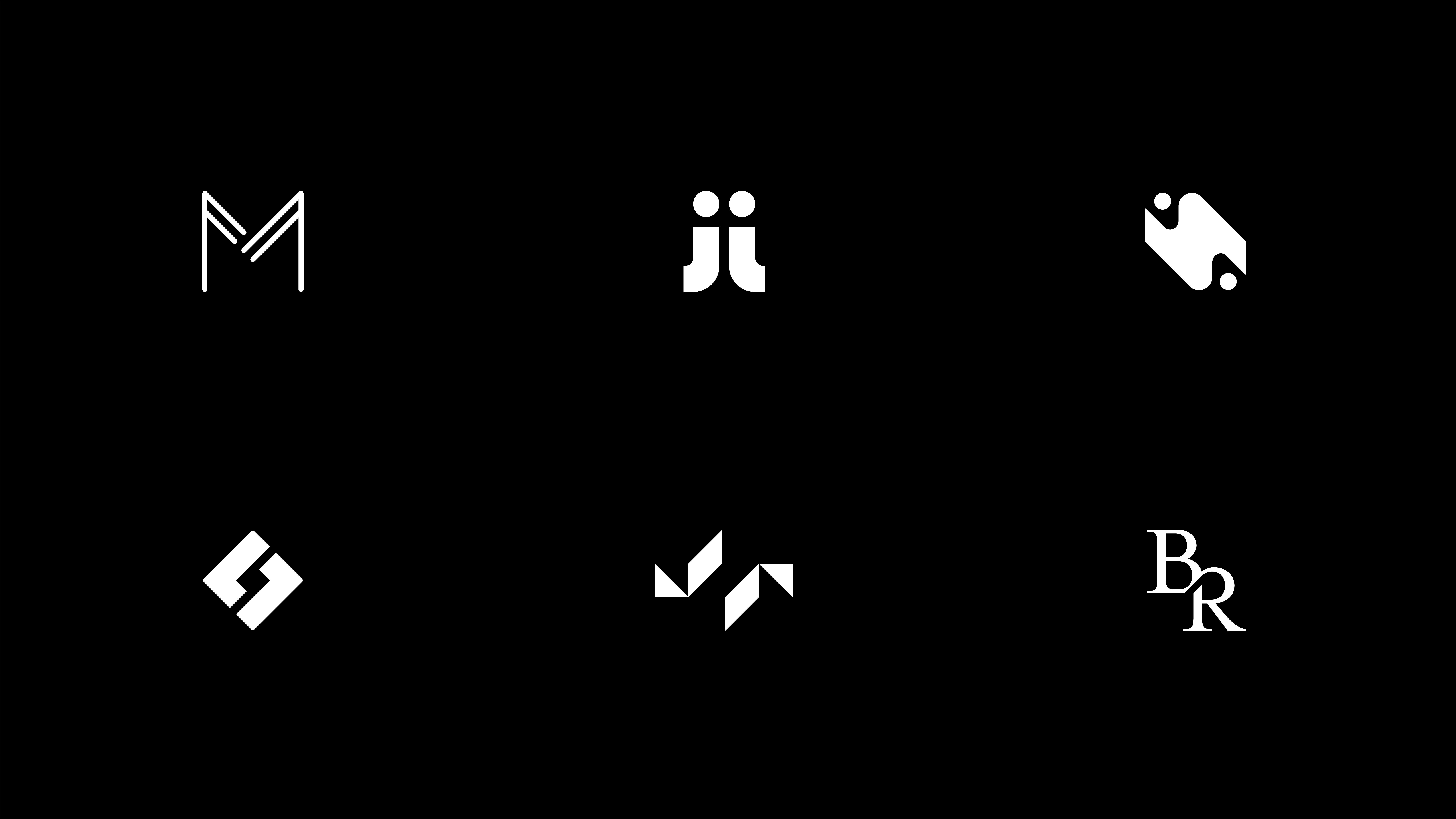
Here's a little collection of some past visual identity projects focusing on logos, colors, graphics and imagery.
A simplified way to furnish
Here's a little collection of some past visual identity projects focusing on logos, colors, graphics and imagery.
The goal for Interior Kit was to create a mobile application that reflects the modern contemporary brand while increasing interactivity, time spent on the app building trust and overall sales. Doing so would also alleviate the need to move back and forth between an interior design application and an e-commerce website.
The main focus became designing something that instills enough confidence within the user to purchase products after designing an entire room or finding that missing puzzle piece to bring their space together. Part of doing this required seamless transitioning between the design and online store functionality so that the experience wasn't jarring. During the design phase for an AR feature, I went through tons of iterations to keep the UI from distracting users in their environment while providing necessary information for quick decision making.
Designing augmented reality features within the app lends itself greatly to reducing higher product return rates. When customers get to view a product in their own space such as furniture, it increases the chances they will make a decision that doesn't end with regret and helps to alleviate logistical processes for return warehouses.
Dahlia
Dahlia is a garden management application that helps people with their efficiency and understanding when it comes to taking care of plants.
Visual Identities
Here's a little collection of some past visual identity projects focusing on logos, colors, graphics and imagery.